Why Big Box Store Headshots Won't Get You Signed
I understand the temptation. You're just starting out as an actor, money is tight, and you see that JCPenney or Walmart portrait studio offering headshots for $49.99. Why spend hundreds when you could spend fifty bucks and call it done?
Here's why: because that $50 headshot will cost you far more in missed opportunities than you'll ever save.
I've watched actors submit big box store photos to Heyman Talent, Helen Wells Agency, and other Cincinnati-area agencies, only to get rejected before anyone even looks at their resume. Not because they lack talent—because their headshot screamed "I don't take my career seriously."
Let me explain what's actually happening when you walk into a mall portrait studio versus a professional headshot session.
The Difference Is Obvious
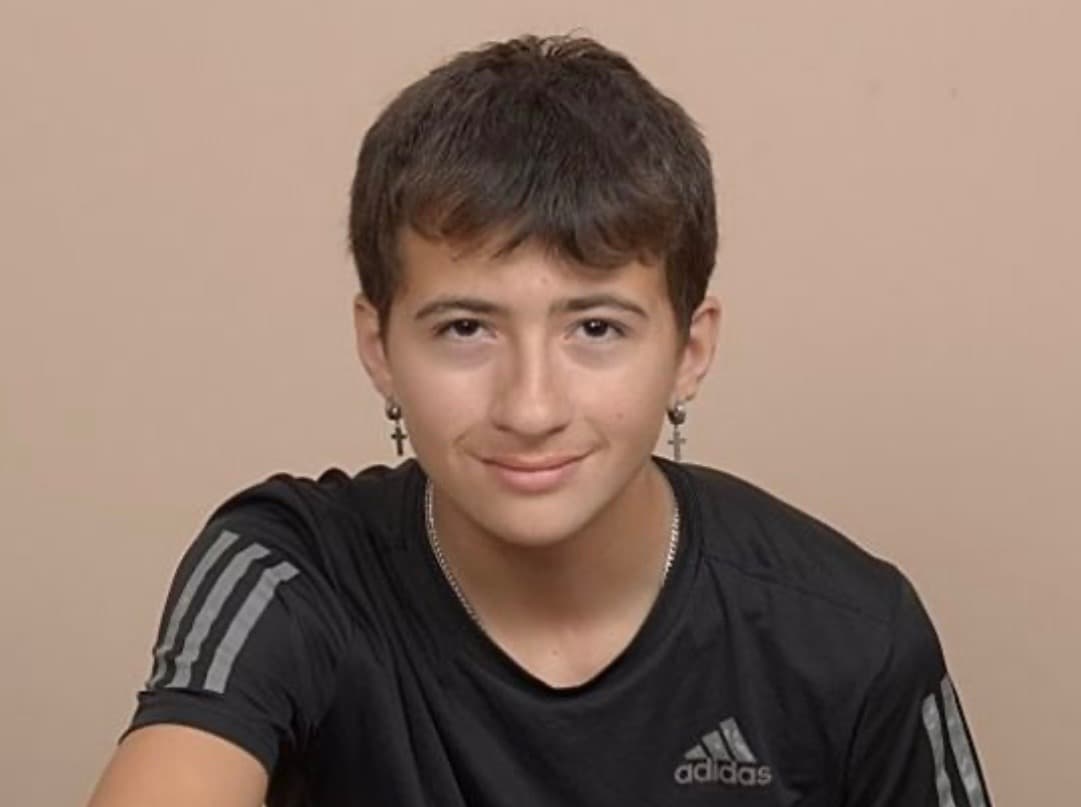
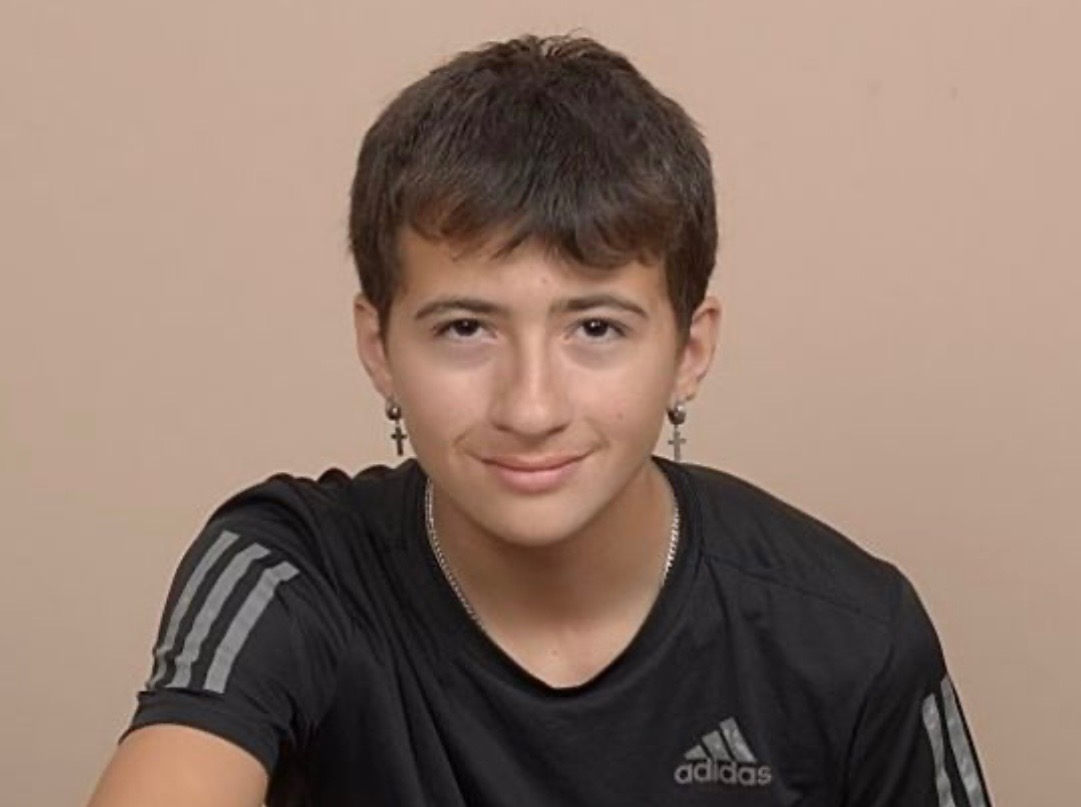
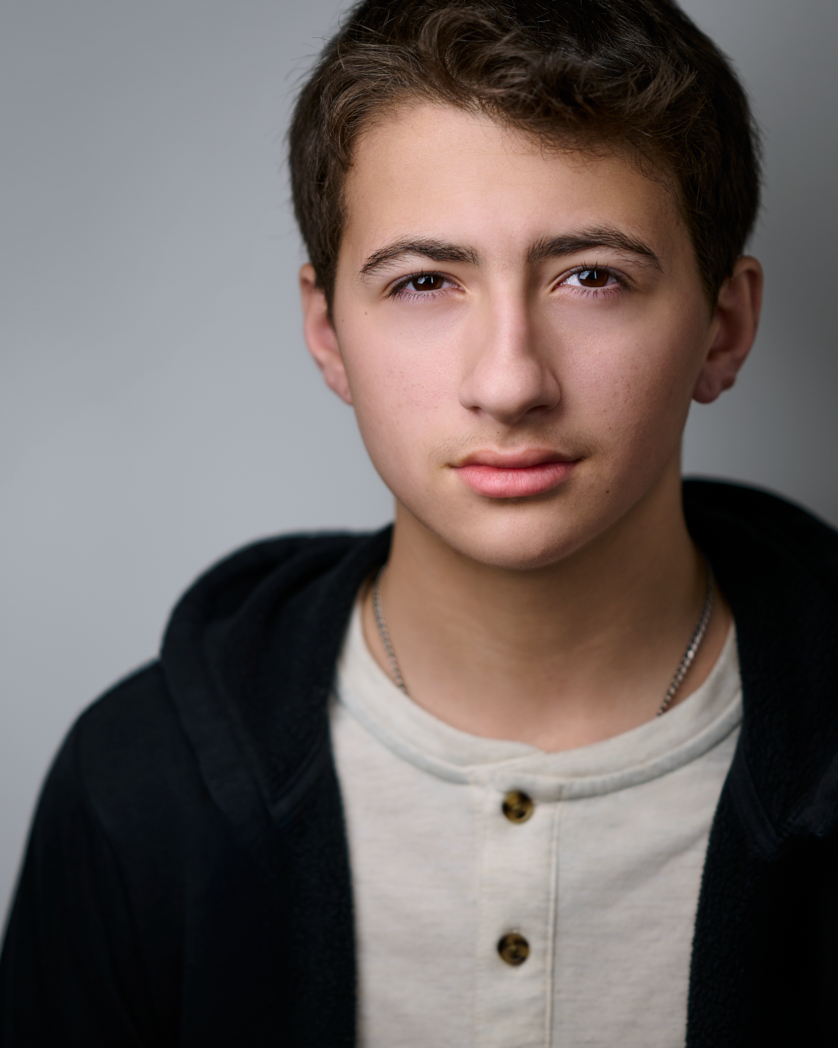
Take a look at these two headshots of the same young actor:
Portrait studio headshot
Theatrical actor headshot
Same person. Completely different result.
On the left: flat lighting, a backdrop color that wasn't chosen with his skin tone in mind—he practically blends into the background. Add a visible logo on the shirt and a pleasant but empty expression. It's a fine photo for a school yearbook. It's not a headshot that will get an actor signed.
On the right: dimensional lighting that sculpts his face, clean professional background, smart wardrobe choices, and most importantly—eyes that are alive. There's a story there. You can imagine this person in a role.
Which one would you call in for an audition?
What You're Actually Getting at Big Box Stores
Portrait studios at department stores and malls are designed for one thing: volume. They need to photograph as many people as possible, as quickly as possible, using a standardized system that requires minimal skill from the operator.
Here's what that looks like in practice:
The lighting is fixed. They use the same umbrella or softbox setup for every single person who walks in. Doesn't matter if you have a round face, angular features, deep-set eyes, or prominent cheekbones. Everyone gets the same flat, shadowless light that erases dimension from your face.
The backgrounds are generic. No one's thinking about whether the backdrop color complements your skin tone or makes you pop. You get whatever's hanging up that day. The result? You blend into the background instead of standing out from it.
There's no direction. The person behind the camera is trained to say "smile" and click the shutter. They're not studying your face to find your best angle. They're not coaching you through expressions. They're moving to the next customer in fifteen minutes whether your photos are good or not.
The final images are over-processed. Big box retouching is done overseas in bulk. The goal is to make everyone look "nice"—which means smoothing skin until it looks like plastic, brightening eyes until they look fake, and removing every bit of character that makes your face interesting.
What Agents Actually See
When a casting director or talent agent looks at a headshot, they're making split-second judgments. They flip through hundreds of submissions. They know instantly whether someone is serious about their career.
A big box store headshot tells them:
"I don't understand the industry." Actor headshots have specific conventions. They need to meet technical standards for lighting, framing, and resolution. Portrait studios don't know these standards because they're not in the business of creating them.
"I'm not invested in my career." If you won't invest a few hundred dollars in professional headshots, why would an agency invest their time, resources, and reputation in representing you? Your headshot is the first indication of how seriously you take yourself as a professional.
"I probably won't match my photo." Over-retouched big box photos create an immediate credibility problem. If you show up to an audition looking noticeably different from your headshot, that's a red flag. Casting directors need to know what they're getting.
What Makes an Actor Headshot Different
A portrait and a headshot might look similar to an untrained eye. But they serve completely different purposes and require completely different approaches.
Portraits capture a moment. Headshots capture castability.
Your family portrait is meant to hang on a wall and remind grandma how much you've grown. Your actor headshot is a marketing tool designed to get you in the room for specific types of roles.
The eyes have to work.
In a standard portrait, a pleasant smile is fine. In an actor headshot, your eyes need to tell a story. They need to show depth, presence, and the suggestion of a character. A skilled headshot photographer knows how to draw that out of you—not just document what's on the surface.
Lighting has to sculpt your face.
Good headshot lighting isn't about making everyone look "nice." It's about understanding the unique geometry of your face and using light to emphasize your strengths while minimizing anything that might distract from your castability. That requires studying your face and making adjustments—not using the same setup for everyone.
The framing is specific.
Actor headshots have industry-standard framing requirements. Too tight, and agents can't see your shoulders and get a sense of your physicality. Too loose, and your face doesn't have the impact it needs. Big box studios don't know these standards because they're not photographing actors.
The background matters.
Professional headshot backgrounds are chosen to complement your skin tone, hair color, and the overall mood of the shot. They shouldn't call attention to themselves—they should make you pop. Generic portrait backgrounds do the opposite.
The Real Cost of Cheap Headshots
Let's do some math.
A professional actor headshot session in Cincinnati typically runs $300-500 (you can see current pricing here). A big box portrait studio might charge $50-150.
Seems like you're saving $200-400, right?
Now consider this: How many auditions might you miss because agents passed on your submission? How many agencies might have signed you if your first impression was "working professional" instead of "amateur with mall photos"?
One single booking from a commercial or industrial shoot can pay $500-2000 or more. Regional theater work, print ads, voiceover gigs—they all start with someone looking at your headshot and deciding you're worth bringing in.
If cheap headshots cost you even one opportunity, you've lost money. And they won't cost you just one opportunity. They'll cost you every opportunity where you're competing against actors who showed up with professional images.
What Agents Have Told Me
I've had direct conversations with talent agents in the Cincinnati area about headshots. Here's what they consistently say:
"We can always tell." Agents look at headshots all day, every day. They know immediately when something came from a portrait studio versus a professional headshot photographer. It's not even close.
"It affects how we read the whole submission." A weak headshot colors everything else. Even if your resume is solid and your training is good, that big box photo creates doubt. "If they cut corners here, where else are they cutting corners?"
"We've rejected people who were probably talented." This one hurts to hear, but it's honest. Agents have limited time. They use headshots as a first filter. If your photo doesn't meet professional standards, you might not get far enough for your talent to matter.
The Investment Mindset
Acting is a business. You are the product. Your headshot is your primary marketing material.
Would a restaurant open with cell phone photos of their food on the menu? Would a real estate agent use blurry snapshots of houses in their listings? Would a lawyer put a selfie on their website?
Of course not. Because professionals in every field understand that how you present yourself affects how seriously people take you.
Your headshot is often the first—and sometimes only—chance you have to make an impression. Agents, casting directors, and producers will judge your professionalism based on that single image before they know anything else about you.
This isn't about vanity. It's about respecting yourself and your career enough to show up properly.
What Professional Headshots Actually Include
When you work with a photographer who specializes in actor headshots, you're getting:
Consultation and planning. Understanding your type, the roles you're pursuing, and what agencies in our market respond to.
Customized lighting. Setups designed specifically for your face, adjusted throughout the session as we explore different looks.
Real direction. Coaching that brings out authentic expressions, finds your best angles, and helps you feel confident in front of the camera.
Industry-standard results. Images that meet technical requirements for Actors Access, agency submissions, and casting platforms.
Professional retouching. Enhancement that makes you look like your best self while still looking like yourself. Done in-house, with care, not batch-processed overseas.
Expertise in the local market. Understanding what Cincinnati agencies like Heyman Talent and Helen Wells actually look for in submissions.
Making the Right Choice
I get it—acting is expensive. Classes cost money. Union dues cost money. Travel to auditions costs money. It can feel overwhelming when you're just starting out.
But some investments pay for themselves. Professional headshots are one of them.
Think about it this way: your headshot is the one piece of marketing material that works for you 24/7. It's submitted to every audition. It's on every casting platform. It's the first thing anyone in the industry sees when your name comes up.
That's not where you cut corners.
A cheap headshot doesn't save you money—it costs you opportunities you'll never even know you missed.
Ready to Do This Right?
If you're serious about your acting career in Cincinnati, Dayton, Columbus, or Northern Kentucky, let's create headshots that actually work for you.
I specialize in actor headshots. I understand what regional agencies look for. I'll give you real direction, customize the lighting for your face, and deliver images that represent you as the professional you are.
Your career deserves better than a mall portrait studio. Let's prove it.
Kim Dalton is a Cincinnati-based headshot photographer specializing in theatrical and commercial headshots for actors. Her work has helped actors across Ohio and Northern Kentucky get signed with regional agencies and book roles in commercial, industrial, and theatrical productions.