How Often Should Actors Update Their Headshots?
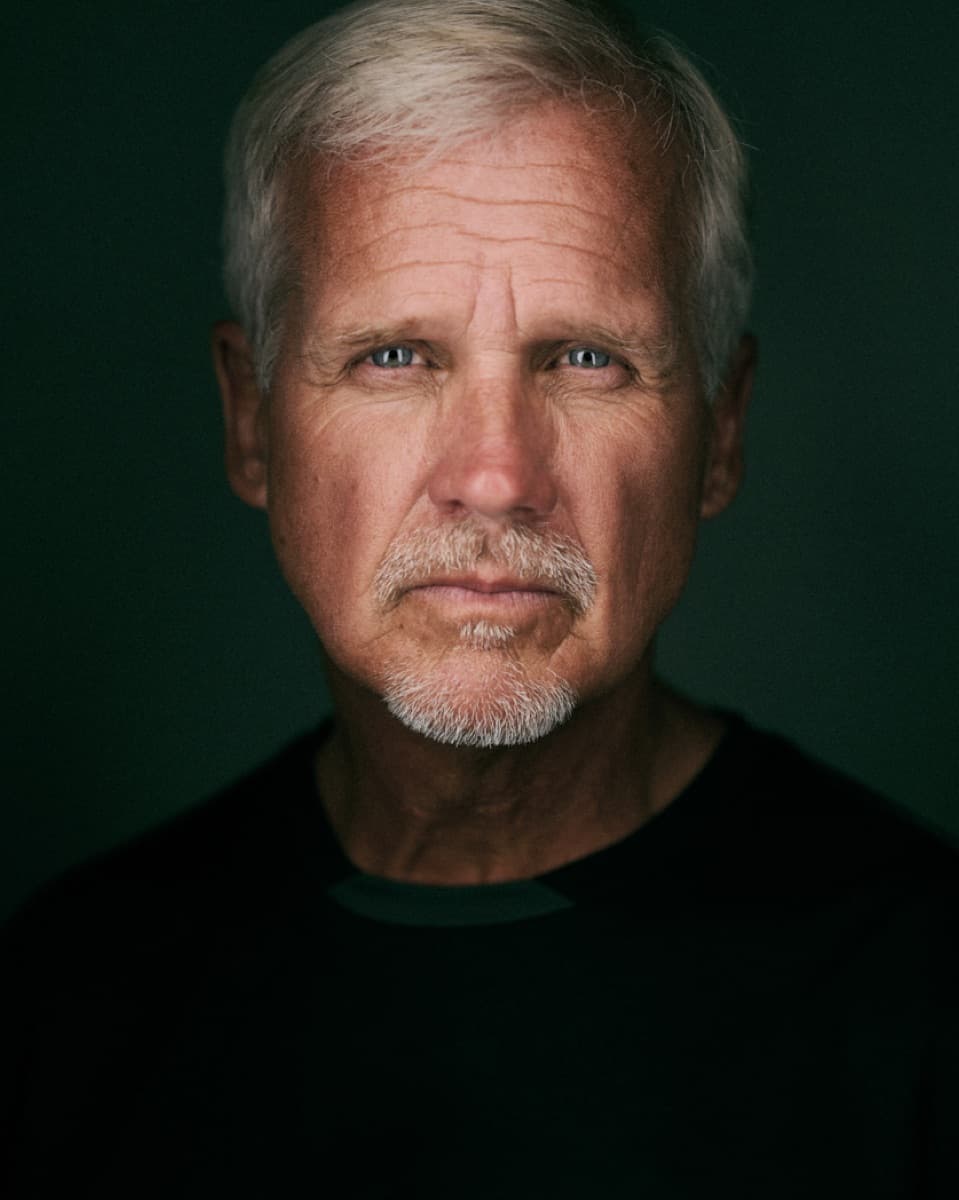
The single most common question I get from actors is some version of, "Are my headshots still okay, or is it time?"
And honestly, most of the time when an actor is asking that question, they already know the answer. They just need someone to say it out loud.
So let me say it out loud. Here is when to update your acting headshots, why it matters more than most actors realize, and the signs casting directors won't tell you about.
How Often Should I Update? (It Depends on Age)
There's no single answer because actors range from six-year-olds booking commercials to working adults in their fifties. Here's the breakdown by stage.
Kids: every 6 to 8 months. Kids change fast. A photo from a year ago might as well be a photo of a different child as far as casting is concerned. If you're submitting your kid for work, plan on a fresh session twice a year. It feels like a lot, but it's the only way the headshot stays accurate.
Teens: every year. Teen growth is less explosive than little kids, but it's still steady. An annual session keeps things current. The trigger for sooner is a major growth spurt or visible change, like adding or losing braces, a big haircut, or going from baby face to jawline almost overnight.
Adults: every two to three years. This is the sweet spot for most working adult actors when nothing major is going on. Some stretch it to three when their look is genuinely stable. Some need new shots every twelve to eighteen months because they're booking enough that their reel is evolving fast.
Why even adults need to update on a clock? Because faces change subtly over a few years in ways you don't notice but a casting director will. Skin texture shifts, hair styles drift, your eyes age the way every set of eyes ages. By the time a headshot is four or five years old, it's quietly working against you in ways nobody is going to point out.
The Triggers That Reset The Clock
The two-year rule goes out the window the moment any of these happen. New headshots, sooner rather than later.
Major hair change. New cut, new color, growing it out, cutting it off, going gray on purpose. Hair frames your face and your face is the product. If your hair doesn't match your photo, casting walks into the room expecting one person and meets another.
Significant weight change. Either direction. If you've gained or lost 15+ pounds and it's visible in your face, your photo isn't representing you accurately anymore.
Facial hair changes. Growing a beard, shaving it off, mustache experiments. For men, facial hair changes the entire shape of the face on camera. Update.
Glasses on or off. If you wear them now and didn't before, or vice versa, the headshot needs to reflect what walks in the room.
Age range shift. This one sneaks up on actors. If you used to book "young professional in their twenties" and you're now reading as "professional in their thirties," your headshots need to be honest about where you actually are. Trying to submit for parts you no longer fit doesn't get you in the room, it gets your photo filed in the no pile.
Major career pivot. Going from theatrical to commercial, or commercial to theatrical, or adding a whole new submission type like soap or industrials. Each one has its own look and your existing headshots may not serve it.
Why Outdated Headshots Cost You More Than You Think
Here is the part nobody wants to say. Outdated headshots don't just look a little stale. They actively kill your chances in ways you'll never hear about.
The discrepancy problem. Casting directors are looking at hundreds of submissions. They build a mental image of you from the photo. When you walk in and don't match, even subtly, that mismatch becomes its own little reason to pass. It's not fair, but it's how it works. The fix is making sure the photo and the person are the same person.
Industry trends drift. The polished, retouched-to-perfection look that was standard ten years ago is now read as "stage actor headshot from the early 2010s." Today's industry standard is natural, present, alive. If your photo looks like it's from a previous era, you're telling casting that you might be from one too.
Your reel outpaces your photo. Most working actors are out there shooting more, getting reel clips, growing their range. If your headshot is from 2021 and your reel has 2025 footage, you've got a clear gap that's visible to anyone reviewing your submission.
The Signs Your Headshot Is Aging Out
Some honest gut checks. If more than one of these applies, you're probably overdue.
- It's been two-plus years since your last session.
- People who know you in person have said "oh wow, you look different" when they see your photo, even casually.
- You've been submitting for the same types you used to book and the requests aren't coming.
- You're submitting yourself for roles your headshot doesn't quite fit, hoping the casting director will see past it.
- You feel that little hesitation before you send your headshot out because some part of you knows.
That hesitation matters. Most actors I work with have been carrying that hesitation around for months before they finally book a session.
What Not To Wait For
A few things actors talk themselves into waiting for that almost never pan out.
"I'll do it when I lose the weight." If you're auditioning right now at your current weight, your photo should match your current weight. The hypothetical thinner version of you isn't who casting will meet in the room.
"I'll do it after my next big callback." The callback that doesn't come because your headshot is outdated is the one you'll never see. Don't wait.
"I'll do it when I have the money." Headshots are a business expense. If you're submitting professionally, this is the part of the budget that has to get fed. The cost of NOT getting current headshots is bigger than the session fee, and that cost is invisible because it's measured in roles you didn't get a shot at.
"I'll just use AI." AI headshots are misrepresenting yourself to casting directors, full stop. It's a faster way to get blacklisted than to get cast. I get into the why in more detail in that post if you want the full breakdown.
The Practical Move
If you've made it this far and a few things have rung true, here's the simple version of what to do next.
- Take a fresh look at your current headshots side by side with a recent photo of yourself (mirror selfie is fine).
- Show them to two or three honest people in the industry who'll tell you the truth, not the people who'll say "you look great" to be nice.
- If the answer comes back "yeah, it's time," book the session. Don't push it another six months because life is busy. Roles are happening right now while you're deciding.
When you're ready, my actor session is designed around exactly this. Real-time review on a monitor while we shoot, multiple looks, expression coaching to draw out the version of you that casting wants to see. Sessions are capped at three a day so I can give every actor unhurried, focused time. The whole point is that you walk out with photos that represent who you actually are right now, not who you were two years ago.
If you're not sure where you fall on the "is it time" question, send me a current photo and your current headshots. I'll give you my honest read, free, no booking pressure. The worst outcome is you find out your existing shots are still good and save yourself a session fee. The best outcome is you stop wondering and start booking.